
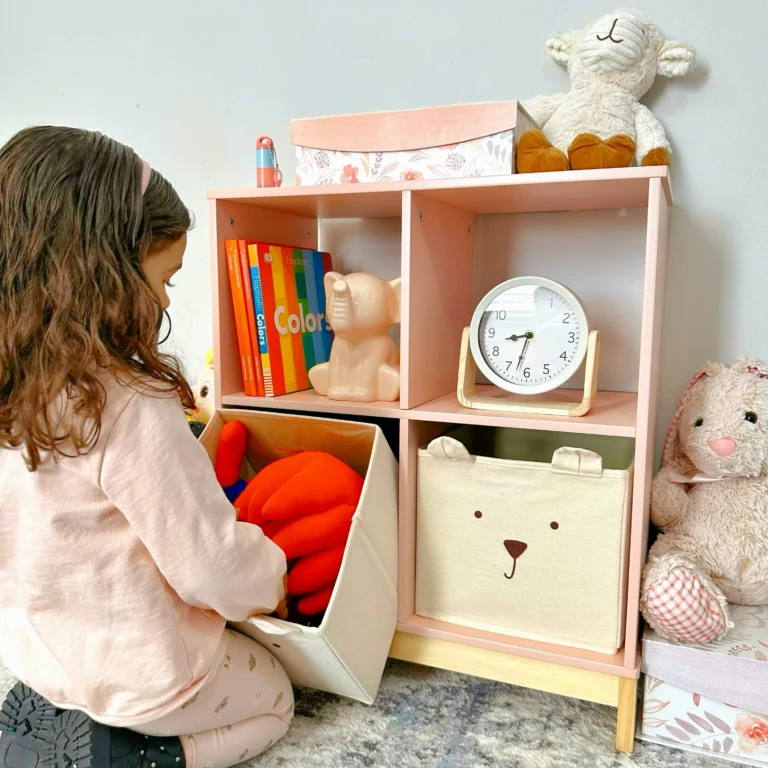
A calm-down corner can be a great tool for helping kids manage big emotions, especially during stressful moments at home or in the classroom. Unlike a time-out, this dedicated space gives children a chance to self-regulate and return to a state of calm using coping strategies that support emotional intelligence. When parents create a calm-down corner that actually works, it becomes more than just a quiet place; it becomes a go-to calming space where kids can feel safe, regain control, and build lasting emotional regulation skills. With the right calm-down corner tips and a few simple decluttering strategies, you can create a peaceful, effective spot without adding mess.
Choose the Right Location
The first step to creating your own calm-down corner is choosing a spot that encourages peace and privacy. Look for a quiet corner or quiet space in your home or classroom that’s free from distractions and has easy access for children when they’re feeling overwhelmed. This could be a designated space in a playroom, a small nook with calming colors, or even a quiet area under a staircase.
Lighting also matters; soft lighting or lamps make a big difference compared to bright overhead lights. The location should feel like a calming area that helps kids self-regulate, not like they’re being punished. In classrooms, a well-placed classroom calm-down spot can support better classroom management and student well-being throughout the school year.
Provide Comfortable Seating and Atmosphere
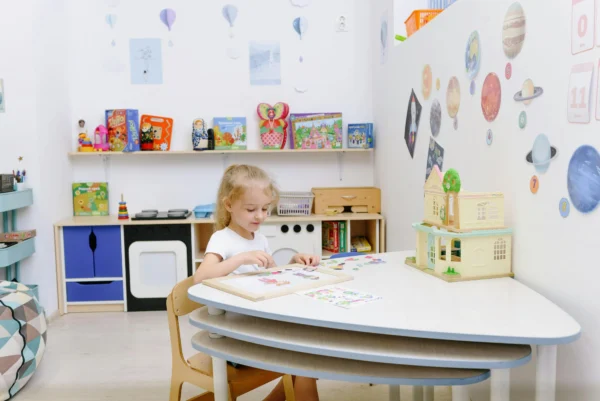
Creating a calming corner means making it physically comfortable and visually soothing. A bean bag chair, floor cushion, or small mat can help define the space and make it inviting. Add cozy touches like stuffed animals, soft blankets, or calming colors on the walls. A calming corner poster or visual aids showing different emotions can help younger kids name what they’re feeling.
The atmosphere should reflect the purpose of the quiet corner, a calming space that encourages emotional expression and helps children process strong emotions. This is also where having an own space helps kids feel safe and in control, allowing them to work through their big feelings without pressure or judgment.
Include Sensory and Emotional Tools
The most effective calm-down corners include a mix of sensory items and emotional tools that support coping strategies. Fidget toys, stress balls, sensory bottles, and play dough offer tactile ways to release energy. Visual tools like glitter jars (watching the glitter settles can be incredibly calming), deep breathing posters, and feelings charts are powerful resources to teach children how to manage different feelings. Sound tools, such as a small sound machine or calming music player, can transform the corner into a true calming space.
Include quiet activities like coloring pages or coloring sheets, which can help children refocus when feeling overwhelmed. You can even add yoga poses for movement-based calming activities. For classrooms, having a digital manual included with ideas for use can help educators consistently use the calming corner with students.
Set Clear Rules and Teach Use
To make sure the calm-down corner is used effectively, children need to understand how and when to use the calming corner. It’s important to teach children that this is not a punishment or a time out but a safe space designed to help them manage different emotions. Talk through calm down corner ideas together and create a simple digital manual or visual guide showing how to use it.
Explain how long they can stay (often 5–10 minutes) and encourage them to use the tools inside the space. Model how to use the calm down spot using role-play or practice scenarios. Show how to choose stress balls, do breathing exercises, or use a sand timer for quiet time. When kids know what’s expected and how to use the calming area, they’re more likely to go there on their own when big emotions show up.
Maintain, Observe and Evolve
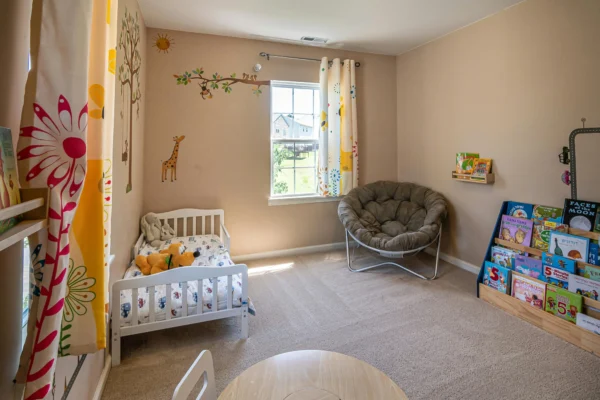
To keep the calm-down corner useful, observe how it’s being used and make changes as needed. Children’s needs evolve, and their calming activities should too. Rotate sensory items to avoid clutter and maintain focus. A feelings chart or updated calming corner poster can help keep the corner fresh and aligned with the child’s growth in emotional intelligence.
Watch for signs of progress, like a child using the space without prompting, or signs that changes are needed. For classroom calm routines, provide students with periodic reminders on how to use the calming corner effectively. Invite feedback and let kids personalize the quiet corner with their favorite visual aids or tools, which helps reinforce their sense of ownership over their own calm-down corner.