

For many parents, hearing their child has “autism” can feel like a dagger piercing through the heart because autism is frequently (and unfairly) linked with intellectual disability.
But an ASD diagnosis isn’t a curse but a doorway to understanding how uniquely your child’s brain works and discovering the strategies that truly support them. Just think of brilliant minds like Elon Musk and Albert Einstein!
With the right knowledge, support, and environment, you can help your autistic child grow, thrive, and shine in ways you may have never imagined.
What Is Autism Spectrum Disorder (ASD)?
Autism spectrum disorder is a complex neurodevelopmental disorder affecting brain development, particularly in areas related to social-emotional processing, sensory integration, and executive function. These neurological differences begin in early childhood and persist throughout life.
Many autistic children grow into undiagnosed autistic adults due to a learned behavior called autism masking. However, this ability to mimic neurotypical behaviors further delays diagnosis and can contribute to mental health conditions later in life.
Why Is Autism Called a Spectrum Disorder?
Autism is referred to as a spectrum disorder because it includes a broad range of characteristics, abilities, and levels of support needs.
“It is called a ‘spectrum disorder’ because there is a wide variation in the type and severity of symptoms people experience.” — National Institute of Mental Health
While speech delays are common, some children with autism develop speech and language skills at the same pace as their neurotypical peers, while others may take a lot longer but may gradually catch up.
On the other hand, some autistic children may grow into minimally verbal autistic adults who use picture exchange, sign language, or speech-generating devices as a form of communication.
Moreover, an autistic person may have an intellectual disability and require significant support, while another may be academically gifted or highly creative. Think Tim Burton and Susan Boyle!
Autism is indeed a spectrum! Therefore, we must approach each autistic person as unique, not as a stereotype.
Behavioral Characteristics of Early Childhood Autism
Autistic children exhibit a unique combination of autistic traits, ranging from mild to more pronounced. While difficulties with eye contact are often the most recognizable sign, it’s just the tip of the iceberg.

Aversion to Loud Noises, Flashing Lights, and Certain Textures
Does your child cover their ears when the blender or vacuum turns on? Do they seem overwhelmed in grocery stores, school assemblies, or birthday parties? Do they refuse to wear clothes with tags or thick fabrics?
These could be signs of overstimulation. Also known as sensory overload, it’s one of the more noticeable symptoms among children with autism spectrum disorder.
Autism affects how the brain processes sensory input, including sound, sight, and touch. The brains of autistic people don’t filter sensory information the same way most neurotypical people do! That’s why autistic kids may react strongly to loud noises, bright lights, busy patterns, rapid movements, and certain textures.
📌 Keep in mind: autism is a spectrum disorder. What bothers one autistic kid may comfort another. Some may seek out certain sounds and textures, while others avoid them completely.
Difficulty Expressing or Poor Social Skills
Another core characteristic of autism spectrum disorder is how differently autistic kids communicate and interact with others. Autism affects how the brain processes social cues and language differently, which makes social interaction an arduous undertaking.
For instance, many children with autism have a hard time putting their thoughts or feelings into words despite having an expansive vocabulary. Some may simply repeat phrases they’ve heard.
Additionally, kids on the autism spectrum also struggle with picking up on body language, emotional cues, and tone of voice, all of which are key to connecting with others. So you might notice your child avoiding eye contact, misunderstanding personal space, or maintaining conversations.
Importantly, children with autism simply don’t outgrow these social challenges. Many autistic adults may continue to struggle with social-emotional reciprocity throughout life.
Challenges with Nonverbal Communication
Some children with autism spectrum disorder may never develop spoken language, which is truly heartbreaking for parents who dream of hearing their child’s voice.
Autism affects brain development in complex and individualized ways. In some autistic kids, the areas of the brain responsible for speech and language are significantly impaired, which are challenges unfixable even with therapy.
That is why an early diagnosis is crucial, as it helps identify whether your child has any co-occurring conditions that could make speech development extremely difficult or unlikely.
Intense Interest or Restricted Interests
Another hallmark symptom of autism spectrum disorder is having restricted interests. Both autistic adults and kids often show a deep, focused fascination with specific topics, objects, or routines.
Since autism affects how the brain processes information and sensory input, these behaviors can help autistic children manage sensory overload and serve as coping mechanisms in overwhelming environments.
For example, your autistic kid may watch the same episodes of Bluey or play with the same sets of puzzles daily. While these repetitive behaviors seem weird to others, they help children with autism feel safe and in control.
Repetitive Behaviors or Repetitive Movements
Hand-flapping, rocking back and forth, lining up toys, or watching the same videos on repeat—many kids go through phases like these. But if you’re noticing repetitive behaviors alongside the other signs, it might be a good idea to talk with your child’s doctor and get an autism diagnosis. These types of repetitive behaviors are often reported as early signs of autism.
High-Functioning vs. Low-Functioning Autism Spectrum Disorder
Back in the day, “high-functioning autism” and “low-functioning autism” were common terms to categorize or describe how much significant support an autistic person needs.
🧩🧠 “High-functioning autism” typically refers to:
- autistic people with average or above-average intelligence,
- has decent or impressive verbal social communication abilities, and
- lesser support needs.
🧩🧠 Meanwhile, “low-functioning autism” usually refers to:
- autistic people with intellectual disability,
- a lack of verbal social communication skills or those who are minimally verbal, and may
- require significant support for basic activities, such as hygiene and health care.
However, many advocates and healthcare providers find functioning labels disrespectful, misleading, and even harmful. Autistic children labeled as “high-functioning” may be denied the support they need because they appear to be coping, while those labeled “low-functioning” may be denied autonomy due to their limitations.
Causes of Autism: Genetic Factors, Genetic Syndromes, and Genetic Mutations
Autism research tells us that autism runs in the family, which means genetic factors do play a big role—in fact, 80% of it. So if you have an autistic relative, there’s a high chance that there could be a few more undiagnosed people or children with autism in your kin.
Fragile X Syndrome and Genetic Testing
Fragile X syndrome is the leading inherited cause of intellectual disability, and it’s strongly linked to autism spectrum disorder. Not every child with Fragile X is autistic, but many children on the autism spectrum—especially those with developmental disorders—have it or a similar genetic syndrome.
That’s why genetic testing is vital. If a child shows autism symptoms, genetic testing can help uncover the underlying cause and give insight into why your child is on the autism spectrum, which helps plan care and understand other risk factors down the line.
Environmental Risk Factors that Cause Autism
While genetic causes play a massive role in autism, environmental risk factors also raise the chances of a child being on the autism spectrum. These include risk factors that happen during pregnancy or childbirth:
- Having older parents (especially dads)
- Complications during pregnancy
- Being born prematurely or underweight
- Exposure to certain medications or environmental toxins
📌 Take note: no single factor causes autism. It’s often a combination of genetic and environmental factors.
Diagnosis and Intervention: How an Early ASD Diagnosis Helps Autistic Children
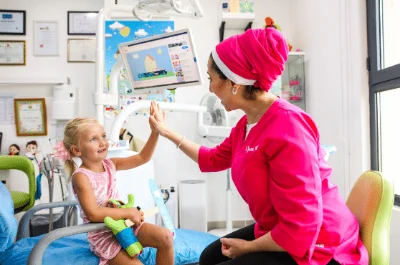
When autism is identified in early childhood, autistic children can start receiving the proper therapies as soon as possible, while their brains are still developing.
Early intervention greatly improves social skills, communication skills, and helps reduce emotional meltdowns, repetitive patterns, and other challenges that may affect their overall development.
Likewise, it gives parents a clearer understanding of their child’s unique needs, whether that’s delayed language, intellectual disability, or other mental health conditions.
With an official diagnosis, you and your child’s healthcare providers can work together to create a personalized support plan, especially if there are co-occurring conditions like ADHD.
How to Get an Official Diagnosis of Autism Spectrum Disorder
If you think your child might be on the autism spectrum, the first step is to talk to your pediatrician. They might refer you to a developmental pediatrician or child psychologist who is more experienced in diagnosing autism.
The diagnosis often involves watching how your child plays, communicates, and interacts, along with going over their development and behavior. Sometimes, genetic testing is suggested to check for related conditions.
Co-Occurring Conditions: How Autism Differs From Attention Deficit Hyperactivity Disorder (ADHD)

Autism spectrum disorder (ASD) and attention deficit hyperactivity disorder (ADHD) are both neurodevelopmental disorders, but they affect behavior and development in various ways.
| Autism Spectrum Disorder | Attention Deficit Hyperactivity Disorder |
|---|---|
| struggles with communication | talks fast, often interrupting others |
| has limited interest in social interaction | often feels the need to speak constantly |
| shows lifelong, intense interests | has hyper-focused but short-lived fixations |
| thrives in routine and structure | impulsive, lacking focus, and self-control |
However, it’s also possible for ASD symptoms to overlap with ADHD or other conditions. That is why it’s so important to seek professional help. A proper evaluation can identify any co-occurring conditions and ensure your child receives the right support.
Asperger’s Syndrome and Autism: Two Names for the Same Thing?
You might have heard of Asperger’s Syndrome. It’s a term once used to describe autistic people possessing strong language skills and average or above-average intelligence.
However, in 2013, the medical community officially recognized Asperger’s Syndrome as part of the autism spectrum disorder to better reflect the wide range of strengths and challenges of autistic people.
Is Childhood Disintegrative Disorder Part of the Autism Spectrum?
Childhood Disintegrative Disorder (CDD) is a rare subtype of autism spectrum disorder. This severe form of regression causes children with autism to lose multiple skills they previously had, including motor abilities and bladder or bowel control. CDD typically appears between the ages of 3 and 4, though in some cases, regression can occur later.
Understanding the Link Between Autism and Mental Health Conditions
Just like autistic adults, children with autism can experience mental health conditions such as anxiety and depression, especially kids who struggle with social interaction, feel misunderstood, or face bullying at school.
But instead of confiding in you and saying they’re sad, their emotions often show up through changes in behavior, including:
- withdrawal or isolation
- loss of interest in favorite activities
- irritability, and
- abrupt changes in sleep or eating habits.
How to Support Autistic Children
Supporting autistic children requires recognizing that meltdowns and unwanted behaviors often stem from frustration due to sensory overload, communication difficulties, or challenges with emotional regulation. Some autistic kids may even show aggression. It’s essential to approach these unpleasant behaviors with understanding and empathy.
To help children with autism, consider these strategies:
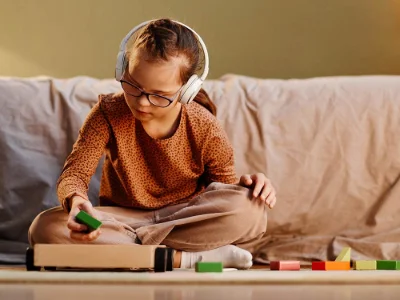
- Establish a predictable routine to help reduce anxiety and maximize comfort. This means setting consistent meals, play, learning, bathing, and bedtime times.
- Provide clear communication, even if it means using nonverbal communication alternatives.
- Control overwhelming sensory input while also providing sensory enrichment. Create a calm environment for your child and have them use noise-cancelling headphones, especially when going out. At the same time, offer sensory enrichment through fidget toys, weighted blankets, or textured puzzles to help meet their sensory needs.
- Provide emotional regulation support. You can help autistic kids recognize and label their emotions using cards or storybooks. Once they can name their emotions, you can gradually introduce simple coping mechanisms, such as deep breathing, counting to 10, or squeezing a stress ball.
- Encourage special interests. When supported in enabling environments, those passions can lead to important learning opportunities and even a solid career path down the road.
What It Means When Autistic Children Require Significant Support
Autistic children who require significant support are often the most challenging to care for because their needs are complex, constant, and emotionally demanding. These kids are often nonverbal and have intellectual disabilities, which makes hygiene, dressing, eating, and self-care difficult.
They may also experience intense meltdowns, frequent aggression, or even self-injurious behaviors—challenges that can understandably leave parents feeling overwhelmed and exhausted. Caring for these children often means 24/7 supervision, highly individualized routines, and a compassionate understanding of their triggers. The journey is onerous, but you can still build strong, meaningful connections with your child.